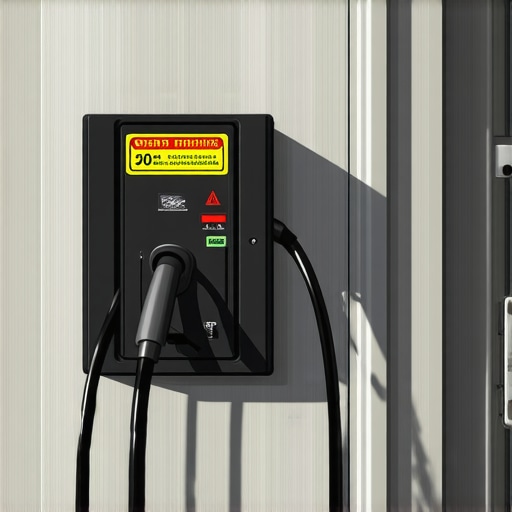

4 Red Flags Your 200-Amp Panel Can’t Handle a 2026 Charger
It was a chilly Saturday afternoon when I first realized my home EV charging setup was in trouble. The charger flickered and refused to start, even though I’d followed all the installation guides. That familiar sinking feeling crept in — was my 200-amp panel up to the task for the new wave of 2026 chargers? It turns out, I was about to meet four common warning signs that your panel might not be ready for the EV revolution. Today, I’ll help you identify these red flags early, so you avoid the costly surprises I faced.
Why Your Home Electrical Panel Might Be Holding Back Your EV Charging Plans
Understanding the limitations of your electrical panel is crucial. As more homes adopt electric vehicles, the demands on existing panels grow, especially when 2026’s new EV chargers hit the market with much higher power requirements. If your panel isn’t prepared, you could experience trip-outs, slow charging, or worse — safety hazards. Fortunately, recognizing these issues early can save you time, money, and headaches.
Is Your Promising Charger Actually Worth the Investment?
When I bought my first home EV charger, I believed my trusty 200-amp panel would handle everything. I was wrong. An early mistake I made was assuming all panels are created equal — which isn’t true. Some panels simply aren’t designed for the load of emerging, faster-charging EV stations. To avoid wasting money and risking safety, it’s essential to know the signs of an overwhelmed panel. For more on preparing your electrical system, see [panel upgrades for EV chargers](https://brightsparkzelectric.com/panel-upgrades-for-ev-chargers-what-you-need-to-know), which discusses how to modernize your setup for the future.
If you’ve been facing issues with your current setup or are unsure if your panel can handle the upcoming demands, don’t miss the opportunity to evaluate your system. The next section will delve into the four red flags that indicate your panel needs attention before plugging in that new EV charger.
Assess Your Current Electrical Load
Begin by calculating your home’s total electrical demand, especially the load from existing appliances and systems. Use a digital clamp meter or consult your utility bills to estimate your peak consumption. For instance, when I checked my system during a winter evening, I found it already running at 80% capacity with my HVAC and kitchen appliances. This step helps determine if your current panel can sustain an additional EV charger without risking overload or safety issues.
Identify Warning Signs of Panel Incompatibility
Look for signs like frequent breaker trips, flickering lights when high-power appliances turn on, or if your panel is over 15 years old. During my inspection, the breaker for my garage tripped frequently whenever I used my oven and charger simultaneously, indicating a need for an upgrade. Recognize these indicators early to prevent future power disturbances and potential hazards.
Check Your Local Code Requirements
Review your local electrical codes to ensure compliance, especially with upcoming 2026 regulations. Codes may specify minimum panel capacities, breaker ratings, and grounding standards. I accessed these guidelines through my city’s building department and found that my existing panel didn’t meet the new 200-amp requirement, prompting me to plan an upgrade accordingly. For detailed compliance steps, visit this resource.
Select the Right Panel Upgrade
Choose a panel with sufficient capacity—usually 200 amps or more—to accommodate the EV charger and future expansions. Consider a panel with dedicated circuits to prevent overloads. I opted for a load center that included both ample breakers and additional slots, facilitating future electrical needs. Make sure to work with an electrician who understands the latest standards and can recommend the proper equipment.
Plan Your Wiring Path and Component Placement
Map out the wiring route from the main panel to the charging location, minimizing length and avoiding obstacles. Use appropriately rated cables (like AWG gauge) and conduit systems for protection. During my upgrade, I carefully planned the route through the basement ceiling, reducing potential damage and interference. Proper planning reduces installation time and ensures adherence to safety standards.
Hire a Licensed Electrician for Installation
Engage a qualified professional experienced in EV charger setups and panel upgrades. Don’t attempt complex rewiring yourself unless qualified. I hired a licensed electrician who verified the existing wiring, upgraded the panel, and installed a dedicated circuit for my charger. Their expertise ensured the job met all safety and code requirements, preventing issues during future inspections.
Test and Verify Your System
After installation, perform thorough testing to ensure proper operation. Use a portable tester or have your electrician check for correct voltage, no loose connections, and compliance with safety protocols. I used a multimeter to confirm voltage levels matched specifications, and the electrician ran diagnostic tests. Confirming these details helps avoid trouble during initial charging sessions and ensures secure, reliable power delivery.
Document Your Upgrades
Keep detailed records of permits, receipts, and inspection reports. Proper documentation simplifies future inspections, resale, or troubleshooting. During my project, I organized all paperwork digitally and kept a photo log of before and after upgrades. This step saves time and provides peace of mind, ensuring your electrical system remains compliant and safe over time.
Many homeowners believe that simply installing a higher-capacity panel guarantees safe and reliable EV charging, but this oversimplifies a complex process. In reality, a common mistake is focusing solely on amperage ratings without considering the subtle details of code compliance and system compatibility. For example, some assume that a 200-amp panel is universally suitable for any EV charger, yet local codes, existing wiring conditions, and future expansion plans can invalidate this assumption. It’s crucial to remember that the National Electrical Code (NEC) emphasizes proper grounding, breaker sizing, and wiring methods—factors often overlooked by well-meaning DIYers. An advanced misunderstanding is the belief that troubleshooting issues like flickering or trips always points to equipment failure; however, many times, improper panel setup or outdated wiring is the root cause, requiring Maintaining a reliable home EV charging setup requires the right tools and a proactive approach. One of my favorite pieces of equipment is a high-quality digital clamp meter, like the Fluke 374, which I personally use to monitor circuit loads and ensure my panel isn’t overstressed during peak usage. Its precision helps me quickly identify if any circuits are nearing their capacity, preventing trips or safety hazards. Additionally, investing in a multimeter with true RMS capabilities allows me to verify voltage levels and detect subtle issues that could cause flickering or inefficient charging. I also rely on specialized EV charger diagnostic apps, such as the manufacturer’s proprietary software, which can help diagnose network connectivity and firmware updates remotely, sparing me trips to the electrician for minor glitches. For troubleshooting persistent connection problems, I consult detailed guides like [Troubleshooting EV Charger Connectivity Problems](https://brightsparkzelectric.com/troubleshooting-ev-charger-connectivity-problems), which I find invaluable for quick fixes.
When it comes to long-term results, documenting every maintenance activity is crucial. I keep a digital log of all tests, updates, and inspections, which has helped me spot patterns and plan future upgrades more effectively. As technology advances, I predict that the trend toward smarter, integrative tools that monitor your electrical system continuously will dominate the market, simplifying maintenance even further. Think of future devices that proactively alert you to overloads or code violations before they become serious problems.
To ensure your system’s longevity, regular visual inspections are fundamental. Check for signs of wear like corrosion on terminals or cracked insulation that could compromise safety. When in doubt, consulting a qualified electrician using tools like the InfiniVision 1000X series scope can reveal hidden issues within your wiring that simple testing might miss. Remember, proper maintenance is not a one-time task but an ongoing process.
### How Do I Maintain My EV Charging Setup Over Time?
Regular testing, documentation, and staying updated on local code requirements are key. Don’t forget to verify that your system remains compliant with evolving regulations, especially with upcoming standards for 2026, by visiting resources such as [Ensuring Code Compliance When Installing EV Chargers](https://brightsparkzelectric.com/ensuring-code-compliance-when-installing-ev-chargers). Try scheduling quarterly load tests with your multimeter, and keep firmware updated to benefit from the latest safety patches. Investing in reliable diagnostic tools and following a structured maintenance plan will save you headaches and keep your electric vehicle always ready to go.
The Little Secrets That Changed My Approach to Panel Upgrades
One of the most eye-opening lessons I learned was that bigger isn’t always better—unless paired with proper wiring and adherence to safety codes. I once chased a higher amperage panel without considering existing wiring limitations, only to face costly rewiring later. That lightbulb moment taught me the importance of assessing your entire electrical landscape before investing in upgrades.
Another insight was realizing that local code requirements can surprise even seasoned DIY enthusiasts. I assumed my home’s previous permits were sufficient, but with the 2026 standards approaching, I found myself scrambling to ensure compliance. This experience underscored the need to stay proactive and consult authoritative resources like official guidelines.
Finally, I discovered that regular system testing and documentation aren’t just bureaucratic hoops—they’re essential for long-term safety and peace of mind. From recording load tests with a reliable multimeter to keeping all receipts and permits organized, these steps turned out to be my best defenses against future frustrations and violations.
Sharp Tools That Help Keep Your System Strong
My trusty digital clamp meter, such as the Fluke 374, proved indispensable for monitoring circuit loads and preventing overloads. Additionally, a true RMS multimeter was my go-to device for verifying voltage levels and spotting subtle wiring issues. For troubleshooting connectivity and firmware glitches, I relied on manufacturer-specific apps, which provided quick diagnostics without needing a costly service call.
Coupling these tools with thorough record-keeping—photos, test logs, and inspection notes—created a safety net that kept my system reliable and compliant. As technology advances, I look forward to smart monitoring devices that proactively alert homeowners to potential hazards, transforming electrical maintenance from reactive to preventive.
Your Next Step Toward Safer, Smarter Charging
Remember, a safe and efficient home EV charging setup isn’t built overnight. It requires deliberate planning, proper equipment, and ongoing maintenance. Stay informed with trusted resources like panel upgrade guides and always work with qualified electricians to ensure the job meets current standards. Your efforts today will pay off with a system that’s ready for the demands of 2026 and beyond.
Are you prepared to evaluate your electrical panel’s capacity and safety? Share your experiences or questions below—each step you take is a move towards safe, reliable electric vehicle charging at home.
,